Insurances We Accept


Autism (or Autism Spectrum Disorder, ASD) is a developmental condition that affects how a person communicates, interacts socially, and processes the world around them. It’s called a “spectrum” because it varies widely—some people need significant support, while others live very independently.
ABA therapy is a structured, data-driven approach that uses positive reinforcement to encourage desired behaviors and reduce challenging ones. It's not about changing who a child is but rather about providing them with the tools they need to navigate the world more effectively.

The professionals and staff of ABA Psychological Services, P.C. are dedicated to delivering high-quality Applied Behavior Analysis (ABA) therapy to children and adults with autism. Our goal is to help individuals build the skills they need to reach their fullest potential while fostering greater behavioral and personal independence.
We provide services in your home and community settings. We serve Queens, Nassau and Suffolk Counties.
At ABA Psychological Services, all of our Behavior Technicians receive high-quality, ongoing training from their BCBA supervisors. Our Behavior Technicians are always learning new skills and have reported that they value the training and support they receive. The supervisors work closely with the Behavior Technicians, the client, and the client's family to develop goals and procedures to achieve the best outcome.
Applied Behavior Analysis (ABA) is an evidence-based, scientific approach to understanding and modifying behavior by focusing on the relationship between environment, action, and consequences. It uses positive reinforcement to improve skills like communication, social interaction, and daily living, primarily supporting individuals with autism.
An initial ABA assessment is a play-based evaluation conducted by a BCBA that includes observation, caregiver input, and assessments to identify strengths and needs.
One-on-one, evidence based sessions focused on building communication, social, and daily living skills while reducing challenging behaviors by trained technicians under a BCBA.
Ongoing BCBA oversight to monitor progress, provide feedback, and adjust treatment plans to ensure effective, high-quality care.
Provides support and functional strategies for caregivers to reinforce skills, improve communication, and help to maintain consistency at home.
The professionals and staff of ABA Psychological Services, P.C. are committed to providing the highest quality ABA therapy based on the principles of Applied Behavior Analysis (ABA) to children and adults with autism. Our goal is for individuals with autism to acquire the skills necessary to reach their highest potential while striving for behavioral and personal independence.
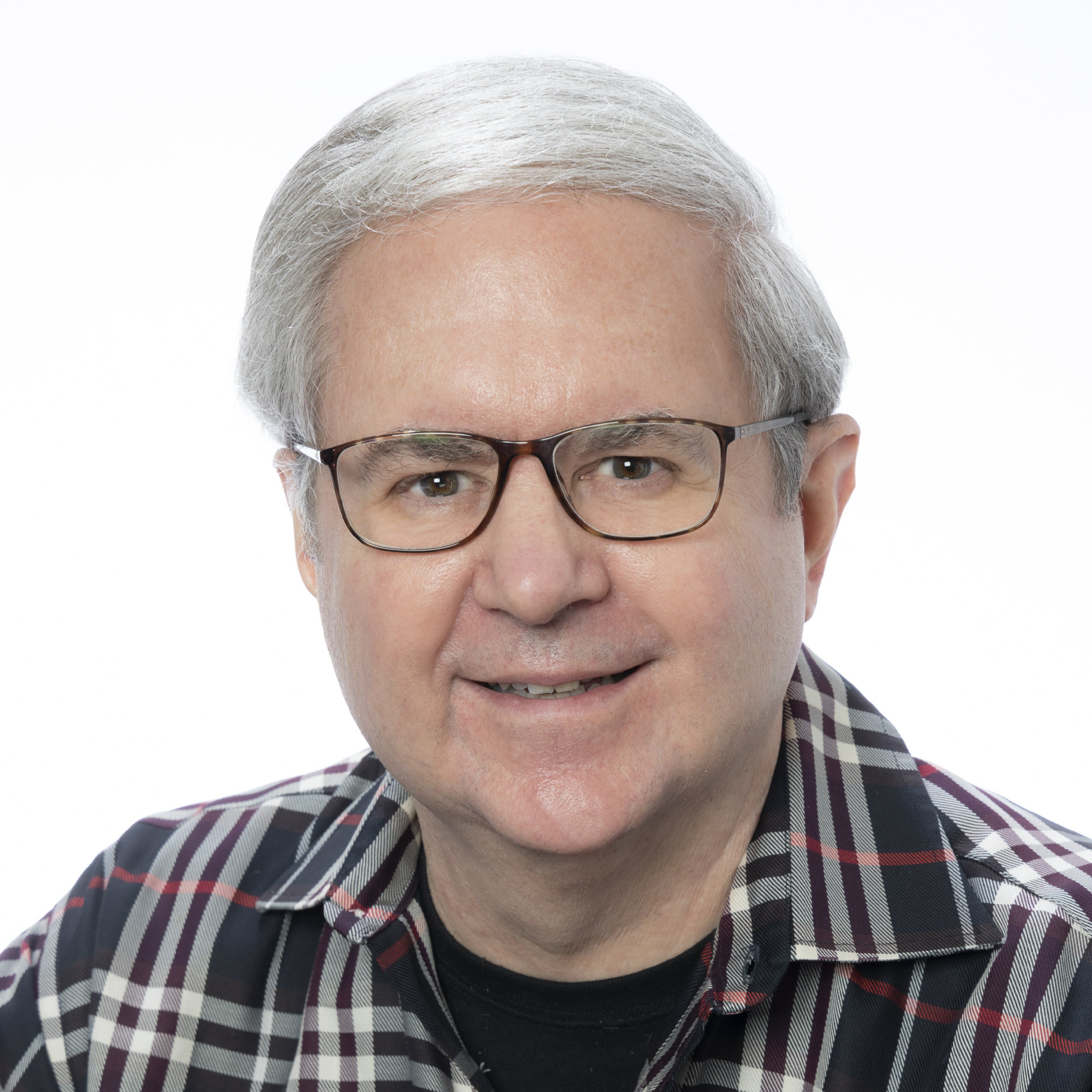
Dr. Jeff Felixbrod
Founder & CEO
PhD, BCBA-D, LBA
Dr. Felixbrod's professional career in the field of Autism spans more than twenty-five years. After earning his Ph.D. at the State University of New York at Stony Brook, he was awarded a prestigious clinical position on the staff of the Child Development Clinic at Long Island Jewish Hillside Medical Center. Dr. Felixbrod is a New York State Licensed Psychologist, a New York State Licensed Behavior Analyst, and a doctoral-level Board Certified Behavior Analyst. He is a member of numerous professional associations, and his research is cited in textbooks in the fields of applied behavior analysis and behavior therapy.
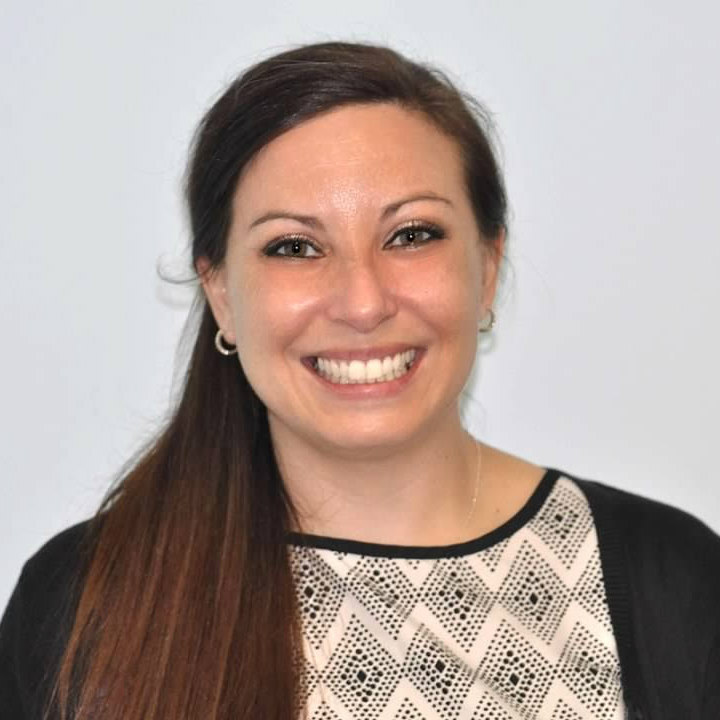
Michele Galante
Clinical Director
M.A., BCBA, LBA
Michele is a Board-Certified Behavior Analyst (BCBA) and Licensed Behavior Analyst with a strong foundation in psychology and applied behavior analysis. She earned her Bachelor’s degree in Psychology and her Master’s degree in Applied Behavior Analysis from Queens College.
With extensive experience across diverse populations, Michele has worked with children, adolescents, and adults on the Autism Spectrum, as well as individuals diagnosed with Attention Deficit Disorder (ADD), Attention Deficit Hyperactivity Disorder (ADHD), Oppositional Defiant Disorder (ODD), Pediatric Bipolar Disorder, Obsessive Compulsive Disorder (OCD), Anxiety, Tourette’s Syndrome, and Traumatic Brain Injury (TBI).
Michele has delivered ABA services in a variety of settings, including schools, homes, and community-based environments. Her commitment to evidence-based practice and individualized care allows her to support meaningful progress and improve the quality of life for the individuals and families she serves.

Chris Schulman
Director of Training and Staff Development
M.A., BCBA, LBA
Chris Schulman has been a Board-Certified Behavior Analyst and Licensed Behavior Analyst since 2019. Chris has extensive experience helping children and adolescents handling severe challenging behaviors; Chris also has experience dealing with crisis level behaviors and applying appropriate interventions to achieve de-escalation.
Chris has worked with a variety of individuals ranging in severity, however, Chris is passionate about working with those with profound Autism. By providing neuro-affirming care, Chris is able to focus on an individual’s strengths and needs, and is able to create environments in which they thrive. Chris received his degree in Applied Behavior Analysis from Hofstra University.
First, speak with your child’s pediatrician. They may be able to provide referrals for evaluations. If your child is under the age of 3,
they can receive an evaluation from Early Intervention. If your child is over the age of 3, they may be able to receive an evaluation from your public school district.
In addition, you can also request an evaluation from a variety of health care providers. Some of the professionals that would be able to evaluate your child would
be a developmental pediatrician, a psychologist, a neurologist, or a neuropsychologist.
Autism Speaks
and the National Autism Association both have some great resources and a toolkits to help guide you through the process of getting an evaluation.
Yes! In NY state, you must have a diagnosis of autism to receive services. This means if your child is mild on the autism spectrum, they still qualify for ABA services and support for high functioning autism.
We tailor our services to meet the needs of each individual child. The BCBA will assess your child and see where their needs are. The BCBA will then create a program that matches your child's deficits and strengths. We work on daily living skills, social skills, vocational and organizational skills, time management, etc.
NYS requires that children have an autism diagnosis to qualify for ABA services. If your child does not have a diagnosis but struggles with behavioral difficulties, we ask that you please reach out to your local senator to advocate for the "scope restriction" on behavior analysts in New York to be lifted. To learn more about this issue and to find out who qualifies for ABA therapy visit: NYSABA
A person of any age can receive ABA services. According to the NYS insurance reform law, there is no age cap.
Your child is not too old to start receiving ABA services.
Treatment plans for this type of autism therapy are created to decrease problem behavior and teach new skills. Our ABA therapy plans are implemented in the home, community settings, and our professional offices by our skilled paraprofessionals under the direct supervision of a Board Certified Behavior Analyst (BCBA). We collect and analyze behavioral data in order to maximize the chance of success. When the child achieves the current behavioral goals, the autism behavioral therapy plan is modified to include new and more advanced goals.
Treatment plans are created to decrease problem behavior and teach new skills. Some behaviors we may work to decrease
include tantrums, aggression, self-injurious behavior, stereotypy (i.e., “stimming”), property destruction, noncompliance,
and food refusal or selectivity. Some behaviors we may teach or increase include language, academic skills, social
interactions, self-help skills, play skills, following directions, staying on task, toileting, eating a variety of
foods, as well as skills necessary for the self-control of emotions such as anger and frustration.
Applied Behavior Analysis (ABA) is the science based on understanding behavior and making socially, meaningful,
and positive changes to behavior.
It is an evidence based practice in which systematic intervention is implemented to decrease problem behavior
and increase adaptive behavior.
ABA is a highly effective strategy used with individuals of all ages diagnosed with autism and other
developmental disabilities.
Since the 1960's there has been an abundance of research demonstrating the effectiveness of ABA for
individuals with autism and developmental disabilities.
"Thirty years of research demonstrated the efficacy of applied behavioral methods reducing inappropriate
behavior and increasing communication learning and appropriate social behavior." — United States Surgeon General
ABA is supported by more scientific research than any other treatment for autism. Since the 1960s, hundreds of research studies have proven the effectiveness of ABA in teaching important life skills and reducing problem behavior in children and adults who have autism spectrum disorder (ASD).
The tremendous amount of scientific evidence documenting the benefits of ABA in the treatment of children and adults
with autism has led a number of prestigious organizations to endorse the effectiveness of ABA therapy for autism,
including the American Academy of Pediatrics, the National Academy of Sciences, and the New York State Department of Health.
TECHNIQUE #1: Decreasing challenging behavior
How do we evaluate challenging behavior?
A Board Certified Behavior Analyst (BCBA) will conduct a comprehensive behavioral evaluation. This evaluation, known as a
Functional Behavioral Assessment (FBA), is designed to determine exactly why the child is engaging in problem behavior. The
BCBA begins by interviewing the parents, caregivers, and professionals who work with the child. If possible, the child also
will be interviewed. As part of the behavioral assessment the BCBA will observe the child's behavior and may directly interact
with the child.
Why do children with autism display challenging behavior?
• To get attention (including negative attention
• To gain access to activities, events, and material things (such as toys, games and electronics)
• To escape or avoid requests they don't want to follow, or to escape or avoid situations they don’t want to be in
How do we develop a treatment plan?
Once we determine why the problem behavior is occurring, we are able to develop a behavioral treatment plan that is designed
to replace the unwanted behavior with desirable and appropriate behavior. Research has shown that this approach can be effective
for both children and adults with autism.
Example #1
At ABA Psychological Services, we identify the situations and "triggers" that evoke problem behavior. Rather than trying
to decrease unwanted behavior by having the child avoid the "triggers", we teach the child how to engage in appropriate behavior
when the "trigger" is presented. For example, if a child tantrums when no one is paying attention, we teach the child how to ask
for attention in an appropriate manner.
Example #2
If a child is avoiding or acting out with other children because they lack social skills, we first do a thorough evaluation
to determine what specific social skills are lacking. We then teach the child the skills necessary to derive satisfaction from
playing cooperatively with others. When avoidance and acting out no longer serve a purpose, we often see these unwanted
behaviors diminish or disappear completely.
TECHNIQUE #2: Increasing adaptive behavior and teaching new skills
How do we evaluate adaptive behavior?
A Board Certified Behavior Analyst (BCBA) will provide an evaluation to determine the child's current level of functioning and
skills. The BCBA will interview the parents, caregivers, and professionals who work with the child. If possible, the child also
will be interviewed. After these interviews are completed, the BCBA will conduct a detailed evaluation designed to identify
deficiencies in the child's skills.
Why does ABA Work?
We focus on teaching skills that are necessary for success in life. Applied Behavior Analysis (ABA) has been shown to be
effective in the teaching of self-care skills, communication skills, social skills, independent living skills, and skills that
are required to succeed in the workplace. ABA also has been used to teach children and adults skills that are necessary for the
self-control of emotions such as anger.
How do we develop a treatment plan?
Once the goals for behavioral improvement and skills training have been developed, the BCBA will work with a highly qualified
paraprofessional to determine the best methods for improving the child's behavior and teaching important skills. The paraprofessional
will be responsible for implementing these teaching procedures under the supervision of the BCBA.
How do we monitor the effectiveness and progress of a treatment plan?
In ABA there is a tremendous focus on the progress each child is making in achieving behavioral and skills training goals.
Every step of the way, for each and every goal, the child's behavioral progress is recorded, placed on a graph, and analyzed.
In this way, the parents and the BCBA can clearly see the child's progress. If the child is not making the expected progress,
the BCBA will make changes to the teaching procedures. New and more advanced goals will be developed when the child achieves
the current goals.
What is the goal for our team?
With all of our children and adults with an autism spectrum disorder, we work to increase social behavior, academic, and
language development so that each individual can lead a more constructive and meaningful life. All of our treatment programs
for children and adults are precisely tailored to meet the specific needs of each individual.